Pu-erh Tea Explained: Sheng vs Shou, Grading Codes, Terroir, and Why It’s So Prized
Lire cet article en français → https://artisandasie.com/fr/le-the-pu-erh-explique-sheng-ou-shou-codes-de-classification-terroir-et-pourquoi-il-est-si-recherche/
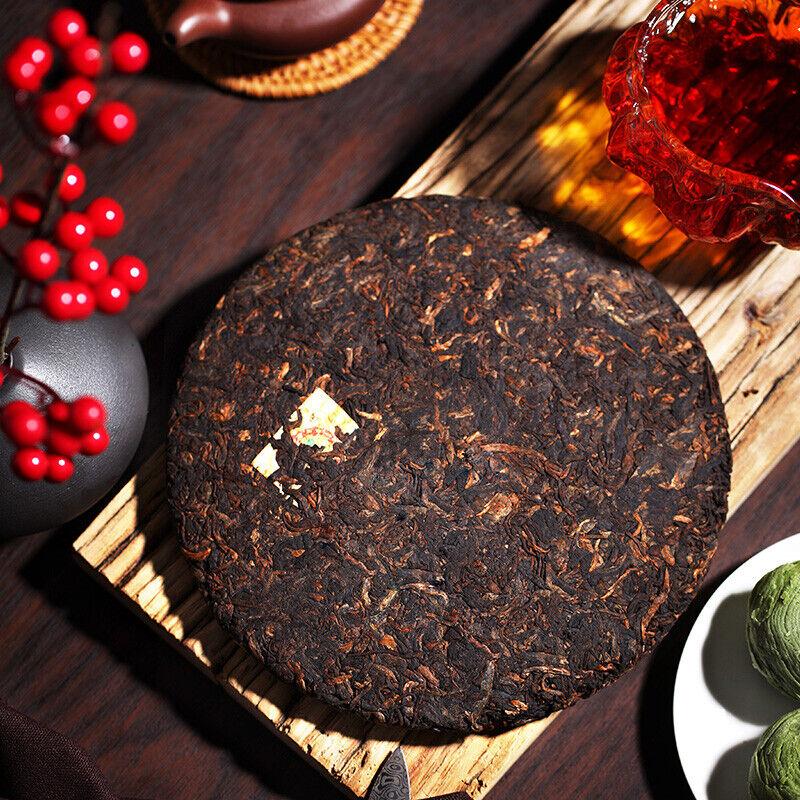
Pu-erh is an aged, post-fermented tea produced exclusively in Yunnan Province, China. Unlike green or oolong tea, which are prized fresh, Pu-erh is prized for how it changes over years or decades in storage: closer in spirit to wine or aged cheese than to a typical cup of tea. Understanding a few core distinctions is enough to navigate the market without getting lost in marketing noise.
Sheng and Shou: Raw and Ripe
Every Pu-erh falls into one of two categories based on how it is processed. “Sheng” and “Shou” are simply the Chinese terms for Raw and Ripe.
Sheng (Raw) Pu-erh
Leaves are picked, withered, pan-fired to halt oxidation slightly (but not completely), rolled, and sun-dried to create maocha: loose green tea. This loose tea is then steamed and pressed into cakes, or left loose to age naturally.
Because the leaf enzymes are not entirely destroyed, slow, natural oxidation and ambient microbial fermentation continue over years or decades. Young Sheng (0–5 years) is bright, astringent, floral, and often bitter. Aged Sheng (10+ years) rounds out into something deep, smooth, and camphoraceous, with a dark amber color in the cup and a lingering sweet aftertaste known as hui gan.
Shou (Ripe) Pu-erh
Shou was invented in the mid-1970s by the Menghai and Kunming tea factories to mimic decades of natural aging in a matter of weeks. Maocha is piled into large heaps, sprayed with water, and covered with tarps under controlled temperature: a process called wo dui (wet piling) that accelerates microbial fermentation using beneficial fungi and bacteria.
The intense fermentation is essentially completed at the factory. Ripe Pu-erh can still mellow slightly with age, but it never undergoes the radical evolution that raw Pu-erh does. The result is thick, dark, and earthy, with notes of wood, peat, and dark cacao, and none of the bitterness or astringency of young Sheng.
Spellings, Terms, and Storage Traditions
You will see this tea written as Pu-erh, Pu’er, Puer, or Bolay (a Cantonese romanization): all referring to the same tea, named after the old trading town of Pu’er in Yunnan. None of these spellings signals a different tea; they’re regional and transliteration differences, not quality markers.
What does matter is storage tradition. Pu-erh aged in Hong Kong or Guangdong (“wet stored”) sits in warmer, more humid warehouses that accelerate fermentation, producing an earlier-maturing, deeper, sometimes muskier cup. Pu-erh aged in Kunming, Taiwan, or drier climates (“dry stored”) ages more slowly, preserving brighter, sweeter, more floral notes over a longer timeline. Neither is more “correct”: they’re different philosophies of aging, and worth knowing when a seller mentions a cake’s storage history.
Decoding Alphanumeric Codes: A1, A2, 7542, 8582
When you see designations like A1, A2, B1, or four-digit recipe numbers like 7542 or 8582, you’re looking at vendor grades or classic factory recipe codes.
Vendor grades
There is no universal, government-mandated “A1” or “A2” standard for Pu-erh. When retailers use these labels, they generally indicate leaf size and sorting (Pu-erh leaves are graded 1–10 by size and maturity: Grade 1 is tiny, tender buds with high aroma; Grade 10 is large, coarse, mature leaf with more structural integrity for compression) or harvest season, with “A1” typically denoting the prized first flush of spring.
Classic factory recipe codes
A four-digit number on a cake wrapper (e.g. 7542 or 8582) is a standardized recipe code from the state-owned factory era:
- Digits 1 & 2: the year the recipe was formulated (75 = 1975)
- Digit 3: the average grade of the leaf blend used for the cake body
- Digit 4: the factory code (1 = Kunming, 2 = Menghai/Dayi, 3 = Xiaguan, 4 = Lan Cang)
Terroir: Where Pu-erh Comes From
Pu-erh must originate in Yunnan Province, but the specific mountain, region, or tree age determines both flavor and value. Production concentrates around the Mekong River basin, in three primary regions:
| Region | Characteristics | Famous mountains / villages |
|---|---|---|
| Xishuangbanna | The historic heart of Pu-erh production. Robust, complex, full-bodied teas with excellent aging potential. | Lao Ban Zhang (intense bitterness that quickly turns sweet), Yiwu (soft, sweet, elegant florals) |
| Pu’er (Simao) | Larger-scale production, smoother and gentler profiles, highly accessible everyday drinking teas. | Jingmai (wild orchid aroma, honey-like sweetness) |
| Lincang | High altitudes, vibrant and highly aromatic raw teas with prominent astringency and sweetness. | Bingdao (prized for intense, icy sweetness), Xigui |
Tree material
Beyond geography, tree age and wildness dramatically shape the tea’s body, texture, and cha qi: the energetic or physiological sensation felt while drinking.
- Taidi cha (plantation tea): mass-produced, terraced bushes kept short for easy harvest. High yield, lower complexity.
- Gushu (ancient tree): harvested from wild or semi-wild trees at least 100–300+ years old. Deep root systems draw complex minerals, producing a thick mouthfeel, low bitterness, and a long finish.
How to Judge Quality
A few practical checks, whether you’re buying a cake or a loose portion:
- Smell first. Good storage smells clean: camphor, wood, dried fruit, earth. A sharp, musty, or moldy smell is a sign of poor or damp storage, not “character.”
- Look at the leaf. Whole, intact leaves (not powder or heavy fannings) suggest better raw material and gentler processing.
- Ask about provenance. A seller who can tell you the region, tree age, harvest year, and storage history is working with traceable tea. Vague answers are a warning sign.
- Taste for balance, not just strength. Bitterness that resolves into sweetness (hui gan) is a good sign in young Sheng; flat bitterness that doesn’t shift is not.
Why Pu-erh Is So Prized: and So Expensive
Three things compound to drive Pu-erh’s value far above ordinary tea. First, time: a well-aged cake represents years or decades of storage, space, and risk absorbed by someone before it ever reaches a cup: the tea equivalent of a cellared wine. Second, terroir and tree age: Gushu material from a famous mountain like Lao Ban Zhang or Bingdao is genuinely scarce, harvested from limited old-growth trees rather than plantation rows. Third, collectability: well-documented cakes from known factories and years (the 7542s and 8582s of the world) function as an actual secondary market, traded and re-traded the way vintage wine or whisky is, with prices moving on scarcity and reputation rather than raw ingredient cost alone.
The right equipment matters too: Pu-erh is traditionally brewed gongfu-style, with quick rinses and short, repeated infusions that reveal how a cake has aged. Our Chinese Gongfu Tea Ceremony Set is built for exactly this kind of session.
Enjoyment First, Not Speculation
We work directly with plantations in Yunnan to bring you the best of this Pu-erh, meant for your enjoyment today as much as for the years ahead. Some collectors buy raw Pu-erh purely as an investment, a cake set aside for decades on a bet about future value. That is not our approach. We choose our teas for what they offer now: the gesture of preparing it, the warmth of the cup, the ritual of a daily moment. A collector’s cake gathers dust in a climate-controlled room. A cake that gets brewed earns its place at the table.
Tea, and Pu-erh in particular, is the subject of growing scientific interest, with several studies exploring its compounds and their potential effects on digestion and metabolism. We make no promise from this, only note it as one more reason to enjoy the cup already in your hands.
Start Here: Our Pu-erh Line
If you are ready to taste rather than just read, our current line covers both styles and both formats. The Bingdao-style raw (Sheng) cake and the Bingdao Laozhai ripe (Shou) cake let you compare the two paths described above side by side, each a full 357g cake. For a wider first taste, the Bingdao & Lao Ban Zhang Pu-erh Gift Box covers four pure Pu-erh styles in one box, the Chinese Tea Discovery Gift Box pairs Pu-erh with other classic Chinese teas, and the 16-Variety Chinese Tea Sampler is the broadest way to explore before committing to a full cake.
In Our Shop
- Bingdao Ancient Tree Raw Pu-erh Tea Cake, 357g
- Bingdao Laozhai Ripe Pu-erh Tea Cake, 357g
- Chinese Gongfu Tea Ceremony Set
- Chinese Cloisonné Tea Cup