Storing and Brewing Pu-erh: Traditional Cakes vs Vacuum-Sealed Portions
Lire cet article en français → https://artisandasie.com/fr/conserver-et-infuser-le-pu-erh-galettes-traditionnelles-ou-portions-sous-vide/
How Pu-erh is packaged and stored matters as much as which mountain it came from. Get it wrong and a promising cake picks up mold, off odors, or dries out before you ever taste what it could have become. Here’s what the traditional cake format is actually designed for, where it’s vulnerable, and how vacuum-sealed portions fit into the picture.
The Traditional Cake and Its Paper Wrapper
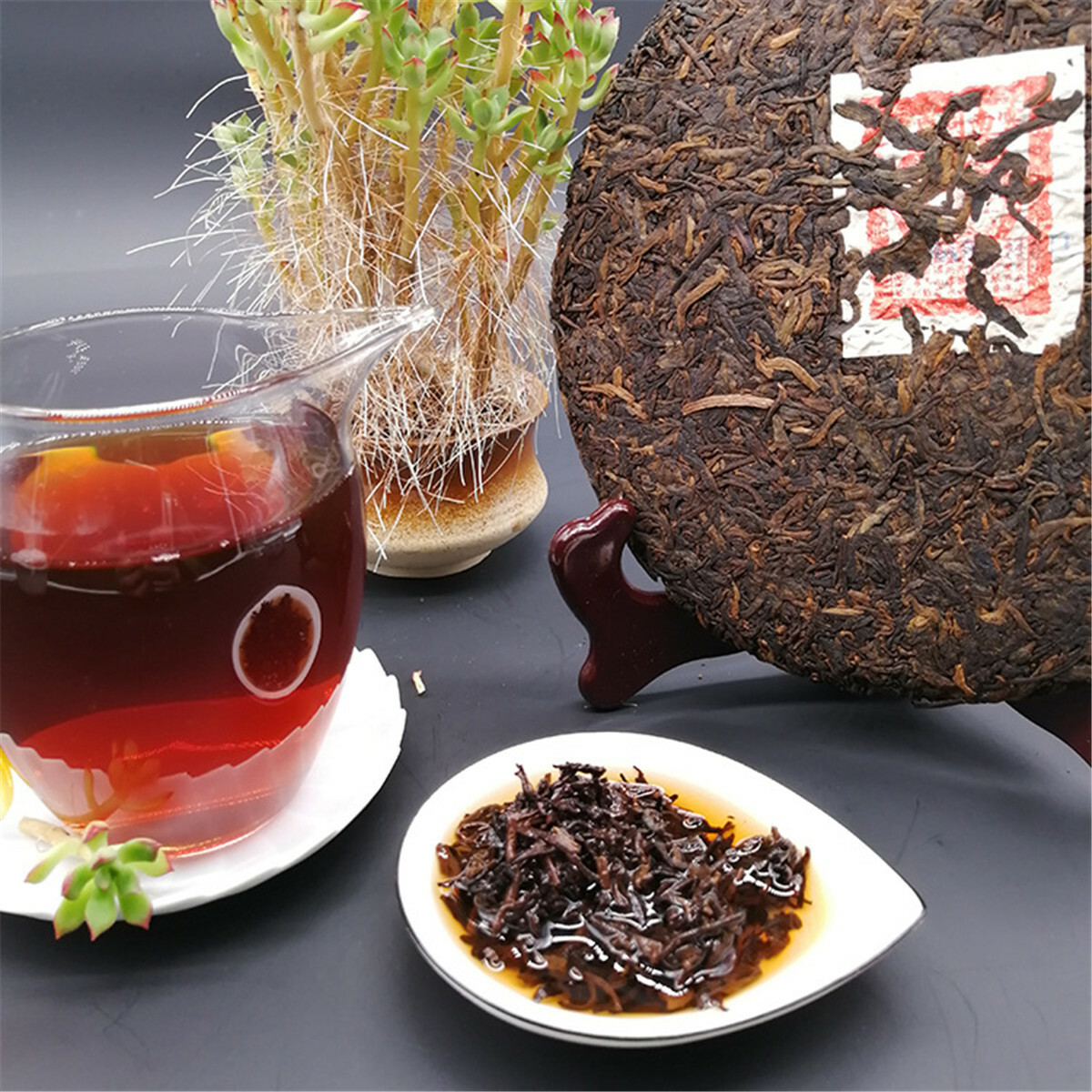
A Pu-erh cake (bing cha) is traditionally wrapped in porous, long-fiber mulberry paper: often called cotton paper. That breathability is deliberate: it’s designed for long-term, controlled-environment storage, not for the friction and fluctuating conditions of travel or shipping.
The paper is surprisingly resilient against normal handling, but it has minimal tensile strength against sustained friction. During transit, the hard, compressed edge of the cake rubs constantly against the paper; without protective outer packaging, it wears through at the rim, leading to splits and tears. Older, well-stored cakes may also show tiny holes from paper-eating insects (silverfish or tea mites): normal for genuinely aged tea, but a further weak point once the cake is on the move.
Why Cakes Are Risky in Transit
Because the wrapper is fully breathable, the cake stays exposed to the surrounding atmosphere the entire time it’s in transit. That creates two distinct risks when a cake crosses climate zones:
Odor contamination
Pu-erh behaves like a sponge for airborne aromas. Shipped near coffee, spices, damp cardboard, or chemical scents, it will absorb those odors permanently through the paper: and ruin the flavor profile permanently along with them.
Moisture and shock
Extreme dryness (a dry cargo hold, an arid region in transit) can strip moisture from a raw Sheng cake and temporarily flatten its aroma and flavor: known as shipping shock. Extreme humidity is worse: moving a cold cake into a hot, humid environment lets ambient moisture condense directly onto the tea through the paper, and if the cake is boxed without airflow, that’s a direct path to localized mold.
A Safe Transit Protocol
If you’re shipping or traveling with a traditionally wrapped cake, a multi-layered containment approach protects it from both mechanical and environmental stress:
- Mechanical protection. Wrap the paper-covered cake tightly in clean, unprinted tissue paper, bubble wrap, or a heavy paper bag, so it can’t shift and wear through the original wrapper.
- Environmental isolation. Place the protected cake into a food-grade, airtight bag: a Mylar bag or heavy-duty zip-top bag: as a temporary climate barrier against odor contamination and rapid humidity swings.
- Stabilization on arrival. Once the tea reaches its destination, remove it from the plastic or Mylar isolation bag. Move it into permanent storage at roughly 60–70% relative humidity and let it rest for two to four weeks before brewing, so it can recover from shipping shock.
Traditional Cakes vs. Smaller Vacuum-Sealed Portions
This is really a question about what you want the tea to do. A whole cake, breathably wrapped and properly stored, is built to keep changing: that slow exposure to air and ambient microbes is exactly what turns a sharp young Sheng into something deep and smooth after ten or twenty years. Seal that same cake in an airtight vacuum bag indefinitely and you stop the aging process altogether.
Smaller vacuum-sealed portions solve a different problem: everyday preservation. For Shou Pu-erh, which is already fully fermented at the factory and isn’t chasing further transformation, or for any Pu-erh you intend to drink within the next months rather than age for years, an airtight, moisture-proof seal is a genuine advantage. It locks in the current flavor, blocks humidity swings and odor absorption entirely, and removes the mold risk that comes with breathable paper in an uncontrolled home environment.
In short: traditional paper wrapping for cakes you intend to age, in a stable, humidity-controlled space you actually control. Vacuum-sealed portions for tea you intend to drink, or for anyone who can’t guarantee a stable 60–70% RH storage environment at home.
Brewing Pu-erh
Pu-erh is traditionally brewed gongfu-style: a small teapot, a high leaf-to-water ratio, and short, repeated infusions rather than one long steep.
- Rinse first. A quick 5–10 second rinse with near-boiling water wakes the compressed leaf and washes away surface dust: pour this off, don’t drink it.
- Use near-boiling water (95–100°C): unlike delicate green teas, Pu-erh needs full heat to open properly.
- Steep short and often. 10–20 seconds for the first few infusions, increasing gradually. A good cake or loose Pu-erh will comfortably give 6–10 infusions in a single session.
Our Chinese Gongfu Tea Ceremony Set: porcelain teapot, fairness pitcher, strainer, cups, and tray: is built for exactly this kind of session.
Start Here: Our Pu-erh Line
The Bingdao-style raw (Sheng) cake and Bingdao Laozhai ripe (Shou) cake are both traditionally wrapped whole cakes, exactly the format this guide covers. If you would rather start with a smaller commitment, the 16-Variety Chinese Tea Sampler and the Chinese Tea Discovery Gift Box arrive individually portioned, no storage protocol required beyond keeping them dry and away from strong odors.
In Our Shop
- Bingdao Ancient Tree Raw Pu-erh Tea Cake, 357g
- 16-Variety Chinese Tea Sampler
- Chinese Gongfu Tea Ceremony Set