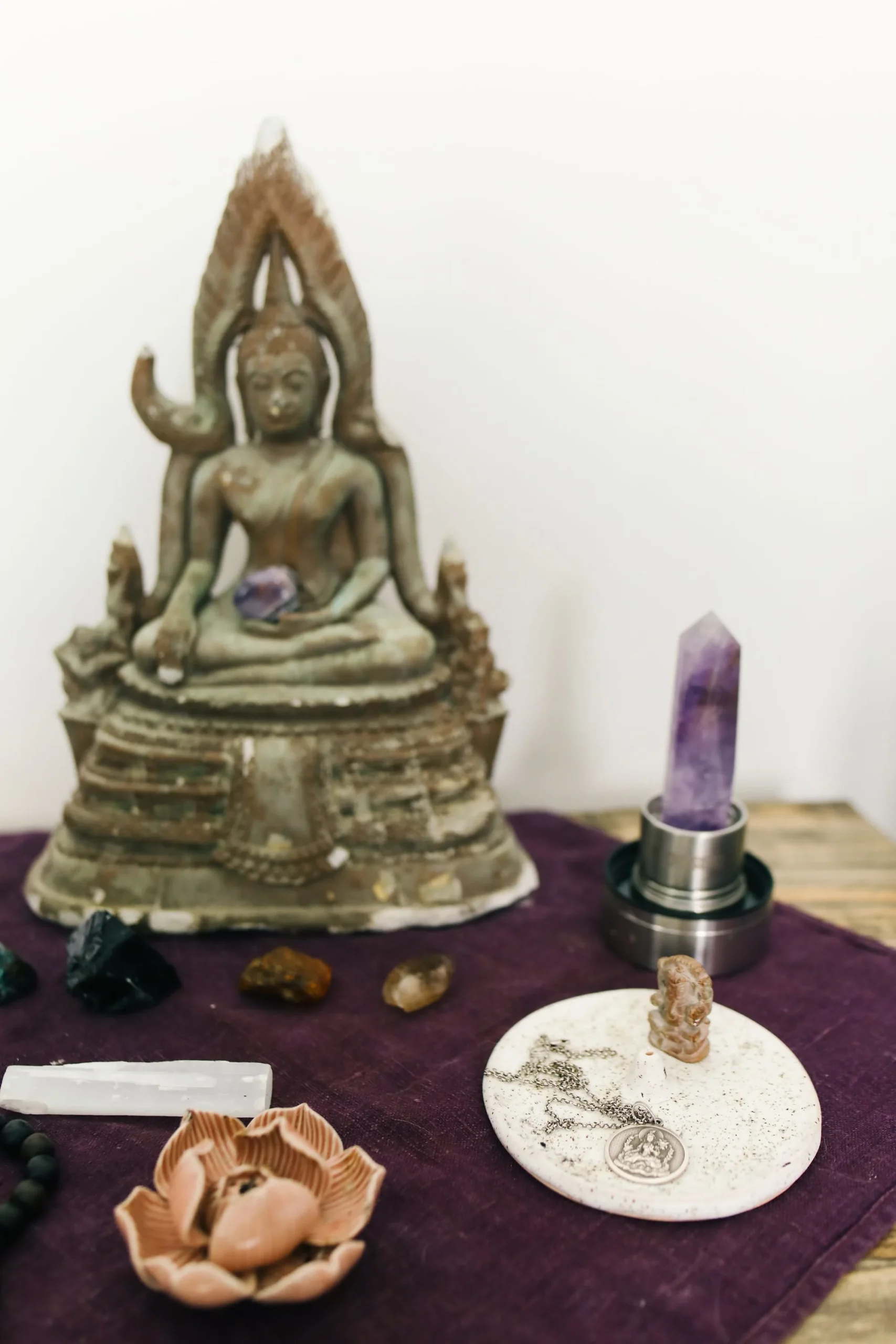
How to Set Up a Buddhist Home Altar: A Practical Guide
A Buddhist home altar is a dedicated physical space for daily practice: meditation, offerings, and mantra recitation. It requires no particular surface area and no expensive objects. What defines it is consistent use and clear intention.
What a Buddhist Home Altar Is
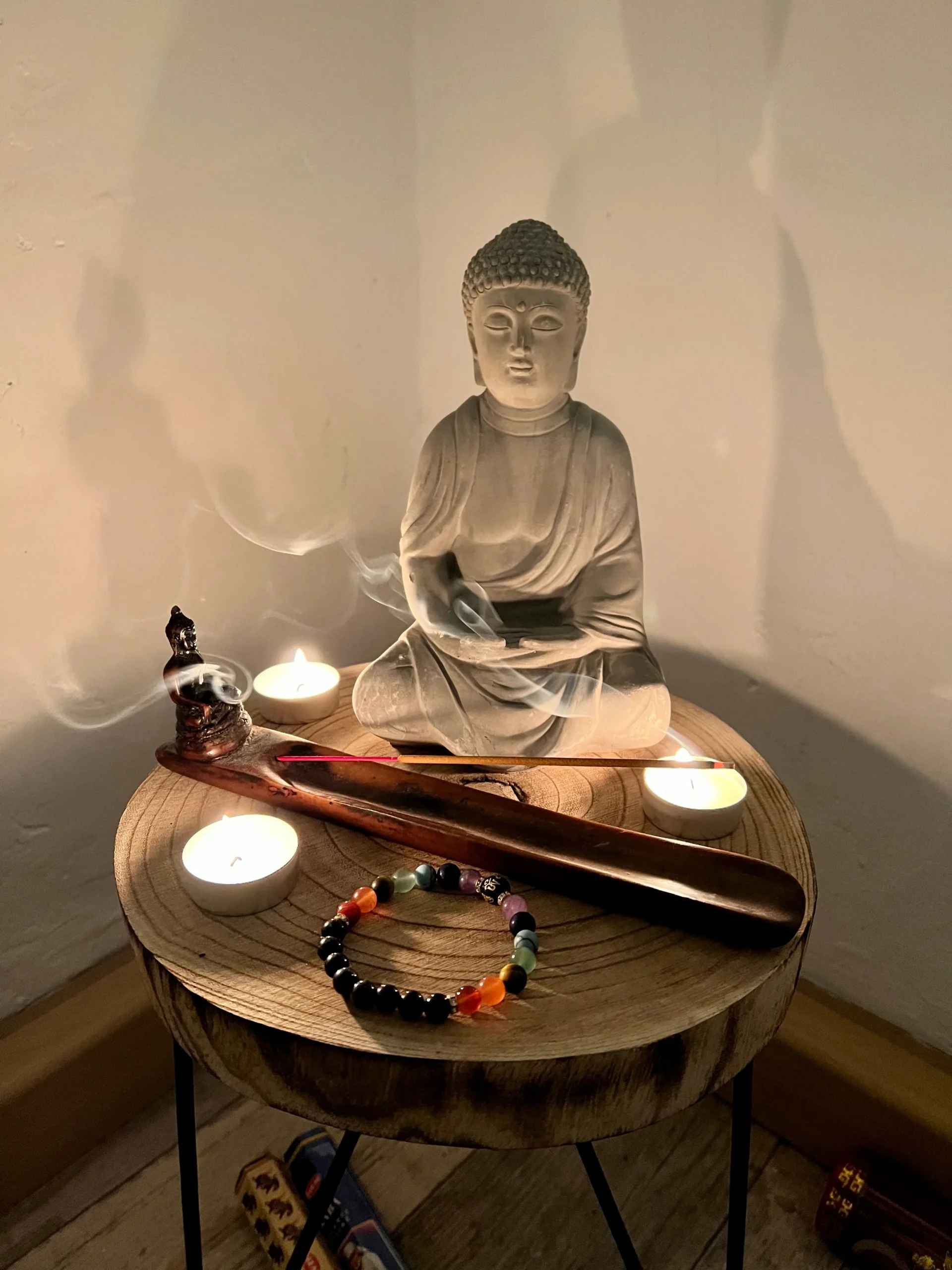
In Buddhist traditions across Asia, the domestic altar holds a central place in daily spiritual life. In China, Vietnam, Thailand, and Tibet, nearly every household maintains a dedicated space, even if reduced to a small shelf arrangement. The altar is not decorative. It is a physical anchor for practice — a daily invitation to pause, offer, and observe the mind.
Choosing the Location
Place the altar at height — on a shelf, cabinet, or dedicated table — never on the floor. Tradition requires that the Buddha representation be at or above eye level when the practitioner is seated.
Practical criteria: a clean, stable surface visible from the meditation position, away from high foot traffic. East-facing orientation is recommended in Tibetan and Chinese traditions but is not mandatory if the room layout does not allow it.
The Essential Objects
The statue or image
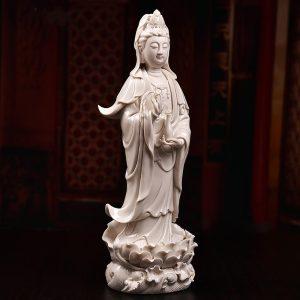
The central point of the altar is a representation of the Buddha, a bodhisattva, or a deity appropriate to the tradition being practiced. A bronze, carved wood, or ceramic statue serves this purpose. Guanyin (Bodhisattva of Compassion) is among the most common choices in Chinese and Vietnamese homes. Amitabha is standard in Pure Land Buddhist households. In the Tibetan tradition, Shakyamuni Buddha typically occupies the central position.
Incense
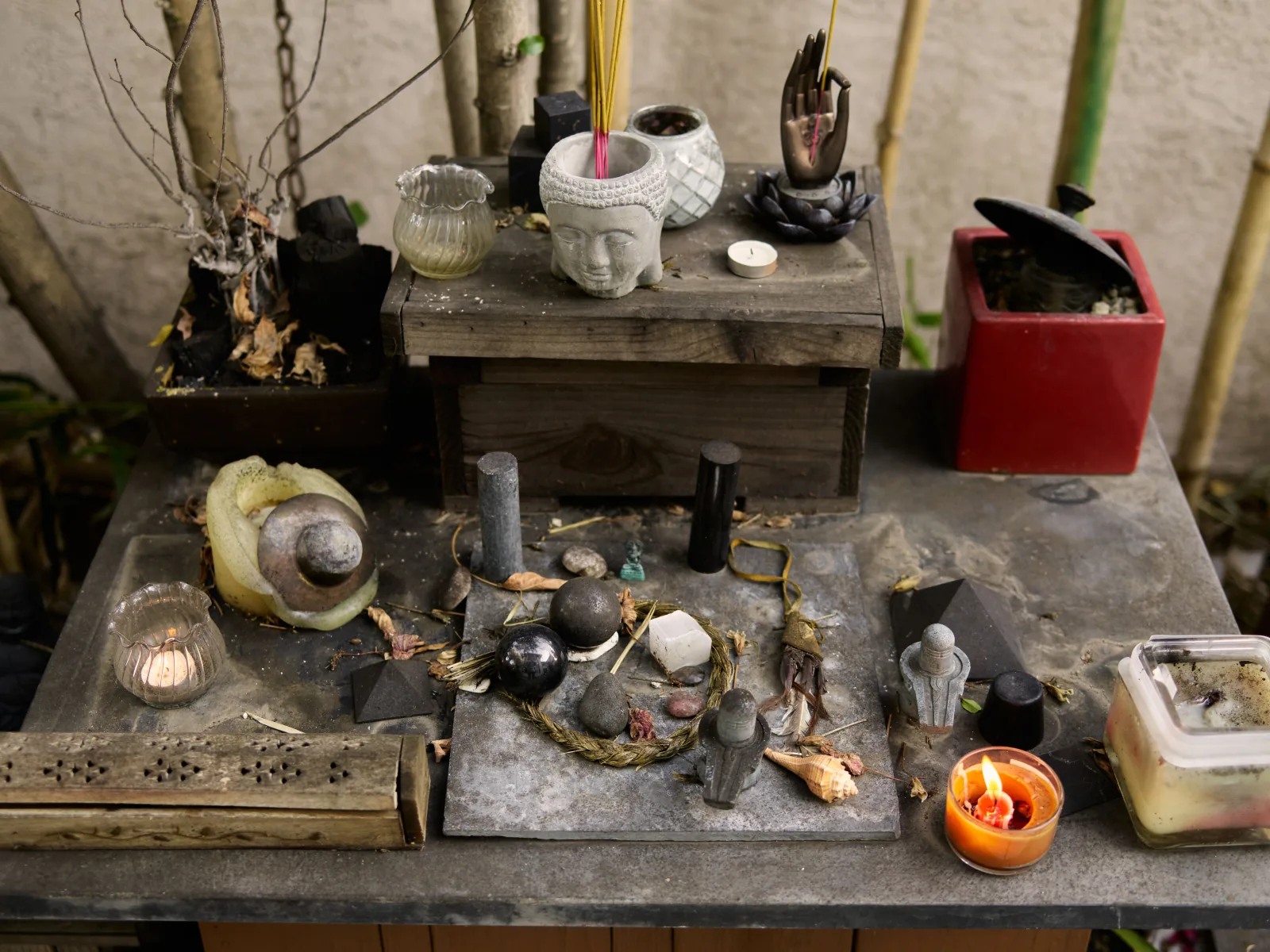
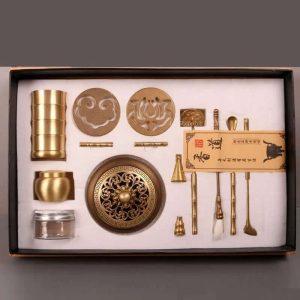
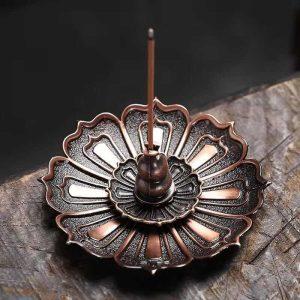
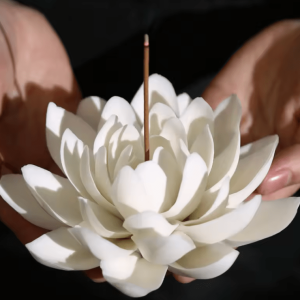
Incense is the most universal offering across Asian Buddhist traditions. It marks the intention of entering a moment of attention. One or two sticks are enough. Light them, blow out the flame, and place in a stable incense holder. Sandalwood, oud, and lotus are the most common fragrances in temple use.
Water
A bowl of clean water is a traditional offering in Tibetan and Theravada practice. It represents purity of intention. Refresh it each morning and empty it outside at the end of the day.
Light
A candle or lamp represents the clarity of awakening in Buddhist iconography. An LED candle works where open flame is not practical.
Optional Additions
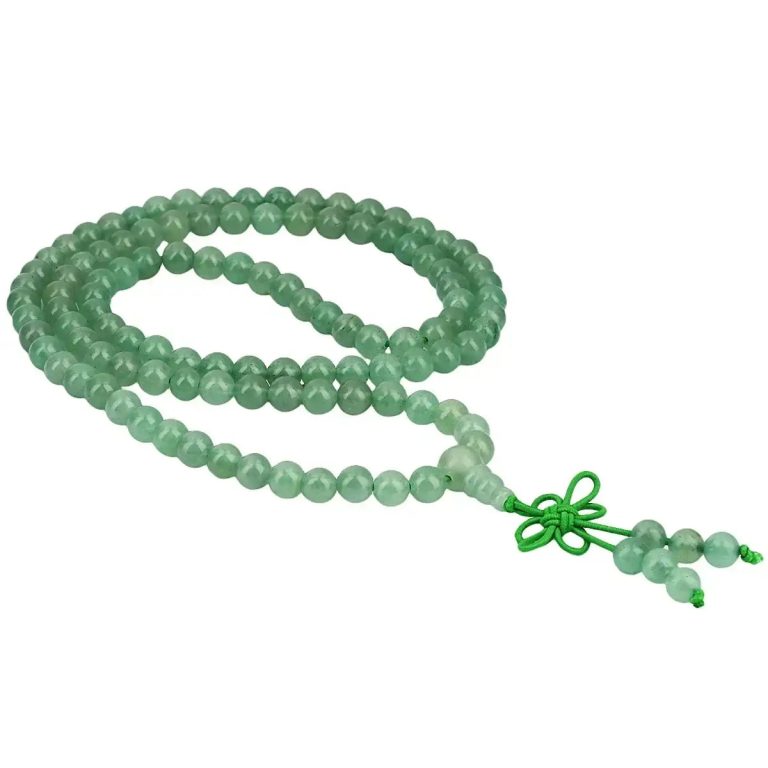
A mala — a 108-bead counting strand — is used for mantra counting and can rest in front of the statue between sessions. A singing bowl can open and close a meditation sitting with a clear sound signal. Fresh flowers are a traditional offering in Theravada temple practice across Southeast Asia.
None of these are required. A single statue and an incense holder make a complete working altar.
Activating the Altar
In the Tibetan tradition, a new statue is ideally consecrated by a lama before use. Without a formal ceremony, the standard practice is to sit in front of the altar, light incense, and state clearly the intention orienting the space: meditation practice, cultivation of compassion, or acknowledgment of teachings. That intention is sufficient to establish the space.
Daily Maintenance
The altar requires minimal but consistent upkeep. Wipe the surface with a clean cloth weekly. Remove spent incense and wilted flowers. Refresh the water daily if present. Do not eat or drink next to the altar, or place unrelated objects on it.
Variations by Tradition
Tibetan: multiple statues (central Buddha flanked by protector deities), lined offering bowls, photograph of the lineage teacher, practice texts.
Chinese (Chan / Pure Land): Guanyin or Amitabha statue, incense, sometimes fruit or rice as offering.
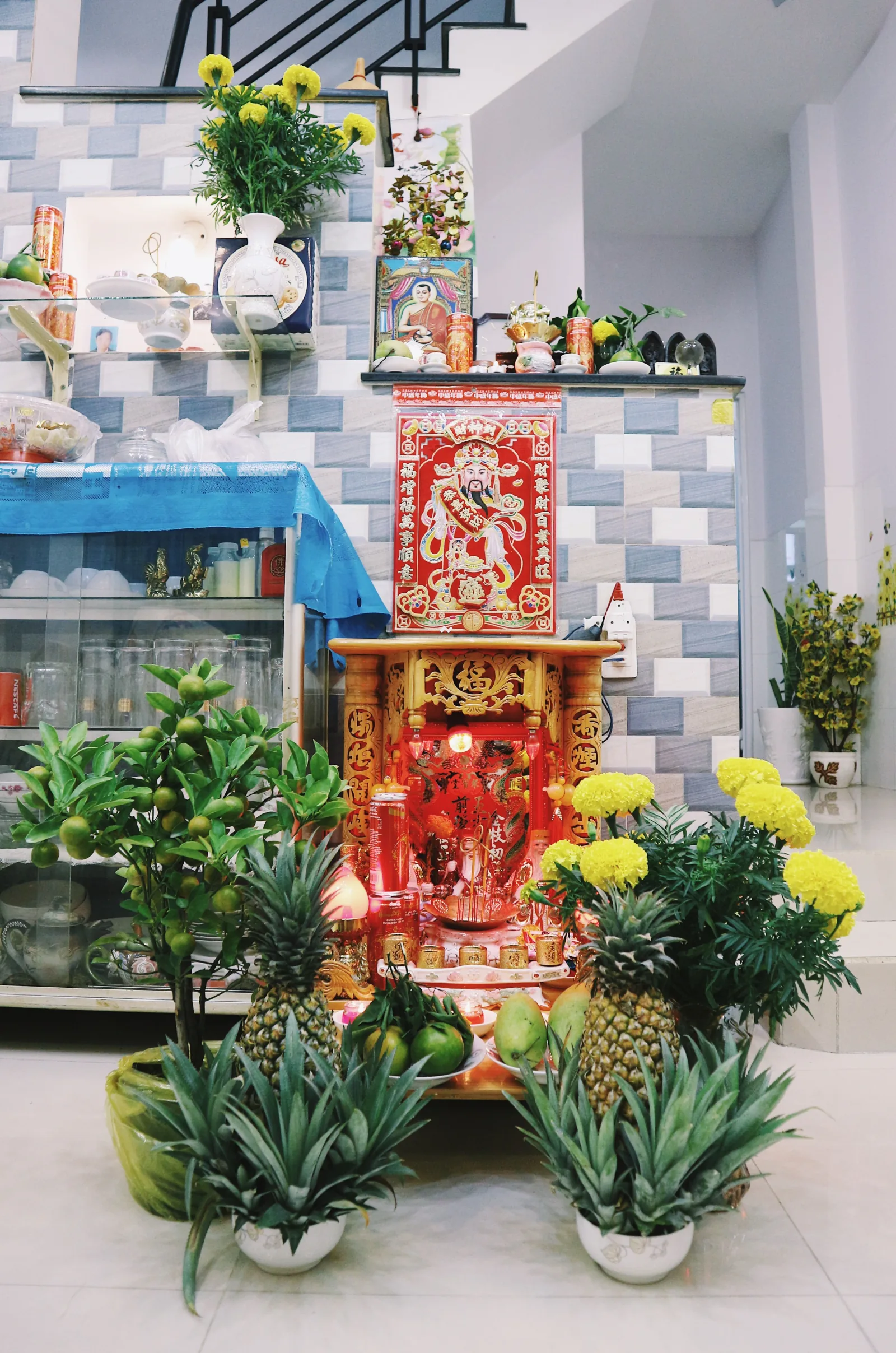
Vietnamese: family altar combining ancestral tablets with Buddha representations, regular food offerings, photographs of the deceased.
Theravada (Thailand, Sri Lanka): Shakyamuni Buddha only, meditation or teaching posture, fresh flowers and water.
In our shop
-

-
-
Sale!
Ceramic Guanyin Bodhisattva Statue
Original price was: €187.90.€177.48Current price is: €177.48. -
Browse Buddha statues and incense →
Version française : Comment créer un autel bouddhiste chez soi : guide pratique