Yin Yang Meaning: The Ancient Symbol of Balance Explained
The yin yang meaning has guided Eastern philosophy for over 2,500 years, and it may be the most practical framework for navigating modern life. Not as an abstract idea, but as a living principle: every force in nature exists because its opposite exists too.
At Artisan d’Asie, we source objects rooted in this philosophy, pieces made by hands that understand balance as a craft, not a concept. Here is what the yin yang symbol actually means, and why it still matters.
What Does the Yin Yang Symbol Mean?
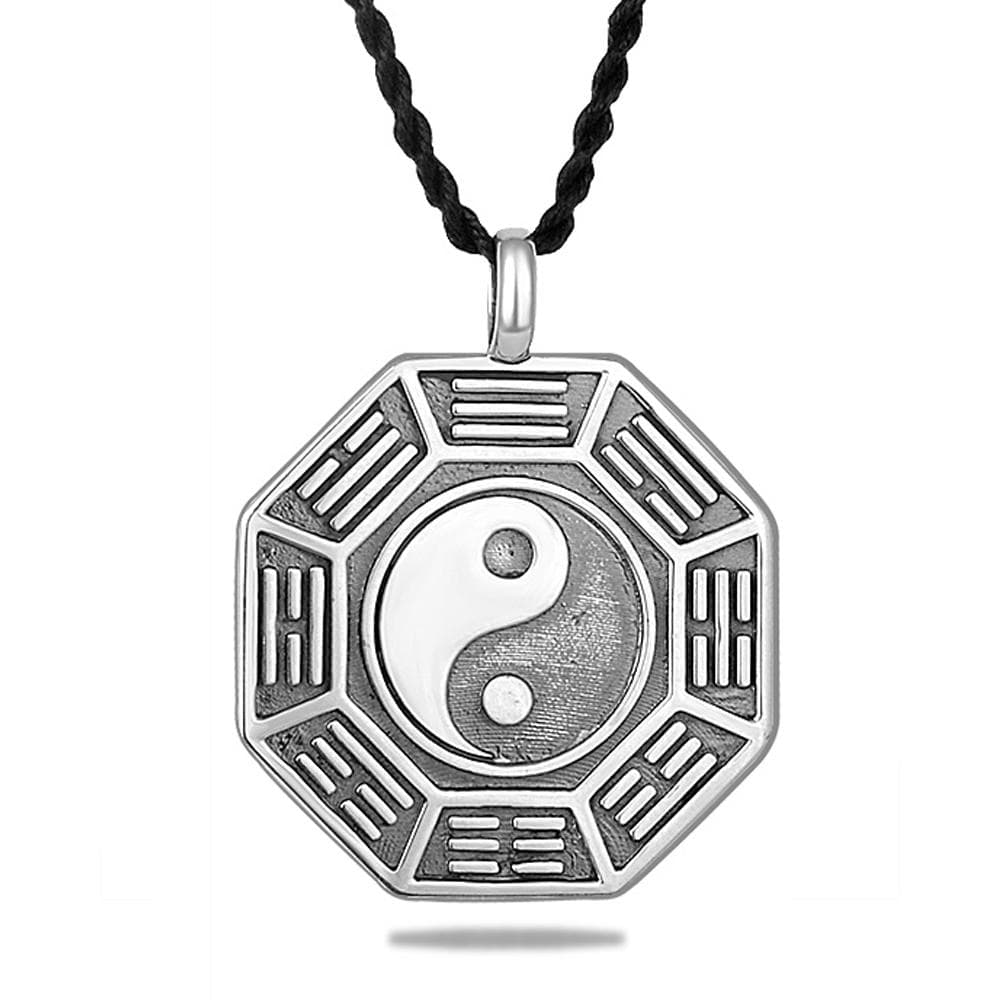
The yin yang symbol, taijitu in Chinese, depicts two interlocking shapes within a circle: one dark (yin), one light (yang), each containing a seed of the other.
Bring balance into your practice

It does not represent good versus evil. It represents the interdependence of opposites:
- Yin: darkness, rest, water, moon, reception, femininity
- Yang: light, action, fire, sun, creation, masculinity
The small circle of the opposite colour inside each half is the key detail most people miss. It signals that neither force is absolute, yin always carries the seed of yang, and yang carries the seed of yin. Perfect balance is a direction, not a destination.
What Are the Origins of Yin Yang Philosophy?
The concept emerged from Taoism in 3rd century BCE China, particularly through the I Ching (Book of Changes) and the writings of Zou Yan. It was not invented as a symbol, it was observed in nature: day giving way to night, winter dissolving into spring, effort followed by rest.
Over centuries, yin yang became the foundation for Traditional Chinese Medicine, feng shui, martial arts, and Chinese cosmology. It is not a religion, it is a model of how the universe works.
How Does Yin Yang Apply to Daily Life?
The philosophy offers a simple diagnostic: when something feels off, ask which force is out of proportion.
- Too much yang (overwork, stress, inflammation): bring in yin, stillness, water, rest, cooling foods
- Too much yin (lethargy, withdrawal, cold): bring in yang, movement, warmth, social connection, light
This is the logic behind acupuncture, qi gong, and balanced diet in Chinese medicine. It is also why traditional craftspeople in Asia have long incorporated yin yang motifs into objects designed for daily use, to make the reminder tactile, not abstract.
Yin Yang in Traditional Asian Objects
One of the oldest and most direct expressions of yin yang in physical form is the Baoding ball, two interlocked spheres rotated in the palm to circulate qi, balance the meridians, and calm the mind. The pairing of two balls is itself a yin yang expression: each sphere stimulates the other’s movement.
Our Green Yin Yang Cloisonné Baoding Balls are hand-enamelled using the traditional cloisonné technique, a process that itself requires the balance of fire and precision. The yin yang motif is set in green cloisonné enamel, making them both a functional qi gong tool and a meaningful object for the home or desk.
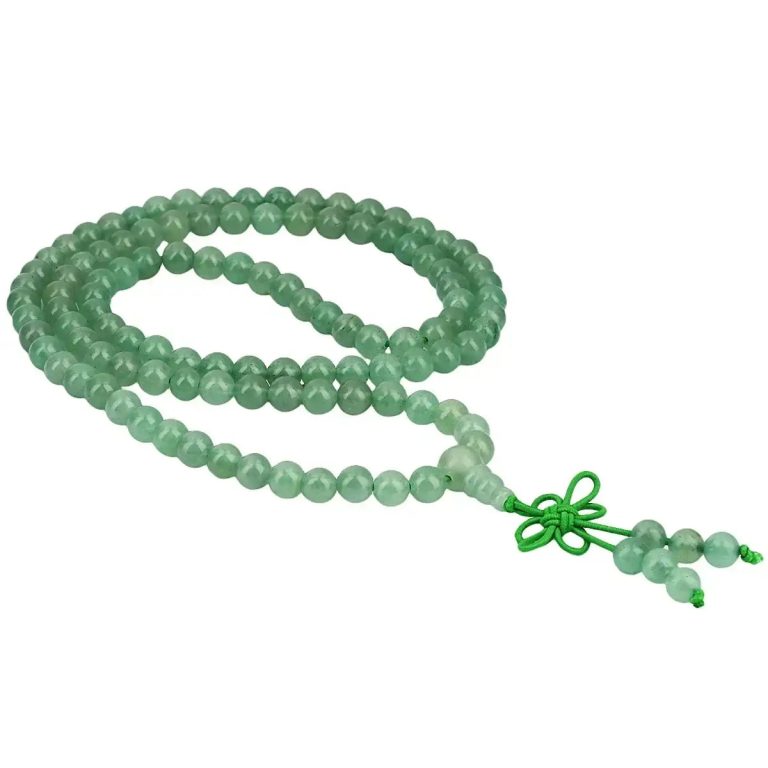
Mala beads are another object grounded in balance, the 108-bead count corresponding to the 108 earthly desires in Buddhist philosophy, the practice of fingering each bead bringing attention back to centre. Agate malas are particularly suited to grounding and stability work:
- Artisanal Red Agate Mala, Grounding & Confidence
- Natural Green Agate Mala Necklace, Vitality & Growth
- Black Agate Stone Mala Bracelet
Frequently Asked Questions About Yin Yang
Is yin yang a religious symbol?
No. Yin yang is a philosophical and cosmological concept from Taoism. While it appears in some religious contexts, it is not a deity or object of worship. It is a framework for understanding natural cycles.
What does the yin yang symbol mean in relationships?
In relationships, yin yang suggests that complementary opposites create wholeness, not that opposites must be identical. Different strengths, different energies, different rhythms can coexist and support each other when neither force dominates.
What is the difference between yin and yang energy?
Yin energy is receptive, cooling, and associated with night, rest, and inward movement. Yang energy is expansive, warming, and associated with day, activity, and outward movement. Neither is superior, both are necessary for the system to function.
Can you wear yin yang symbols?
Yes. In many Asian traditions, wearing meaningful symbols creates a constant physical reminder of an intention, in this case, the pursuit of balance. Objects like Baoding balls and mala bracelets serve the same function: they bring philosophy into the body.
Explore our collection of traditional Asian objects, handcrafted pieces designed to bring balance, beauty, and meaning into everyday life.
Discover the Sanctuary collection →
In our shop
-

-
-
-
Dragon Moonstone Round Pendant – Sterling Silver 925
Price range: €69.00 through €99.00Secure Yours This product has multiple variants. The options may be chosen on the product page


Version française : Wabi sabi : l’art japonais de la perfection et de l’imperfection