The 5th Day of the 5th Month: the Ba Gua and the Dragon Boat Festival
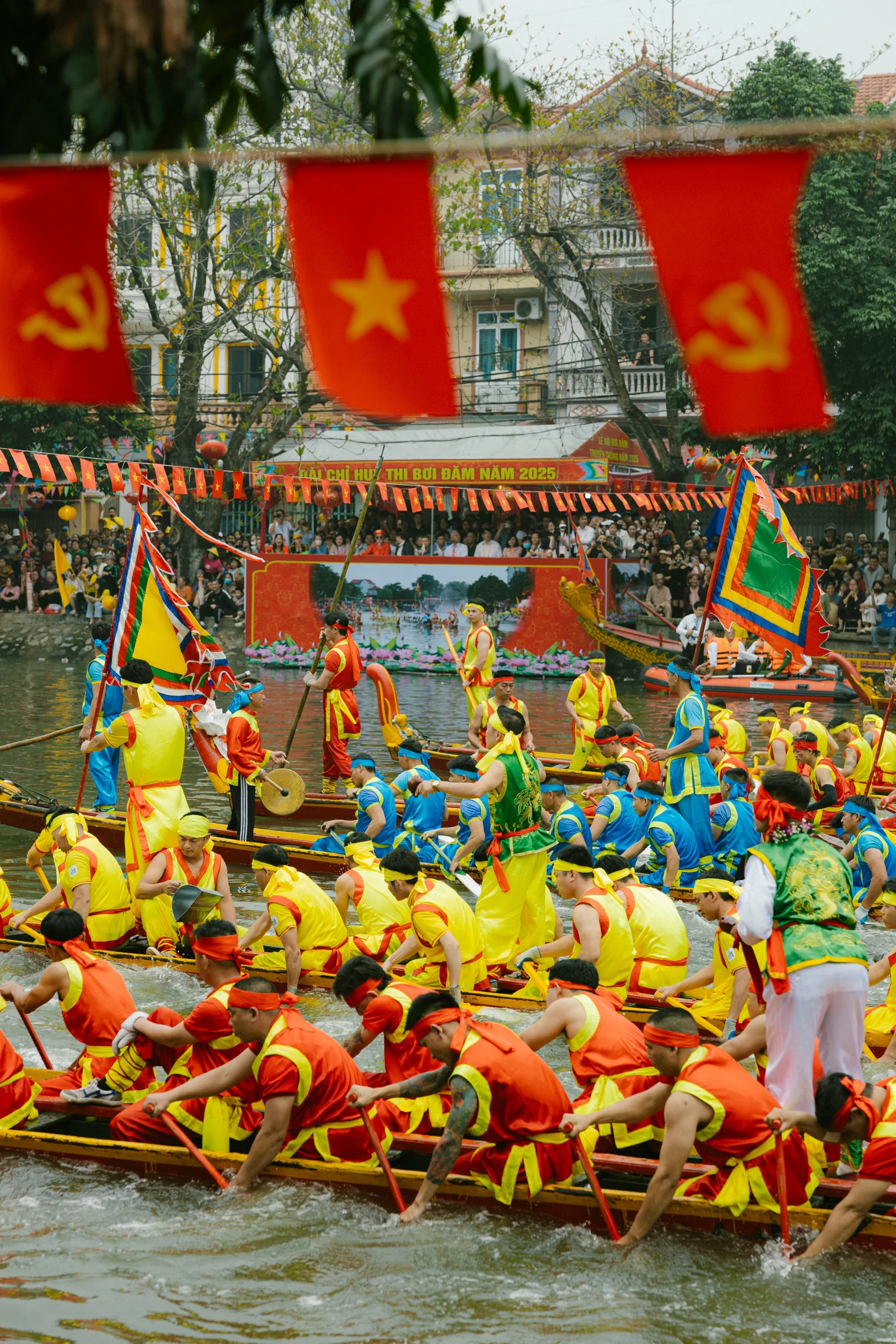
On the 5th day of the 5th lunar month, rowers pull together on the water. A drum marks the cadence. The Dragon Boat Festival has traveled twenty-three centuries to remain what it was: a commemoration of memory, vigilance, and protection.
Qu Yuan and the 5th Month
In 278 BCE, the poet and statesman Qu Yuan learned that the capital of Chu had fallen to the Qin state. He walked to the Miluo River and stepped in. The boats that set out to find him did not return with him. People threw rice into the water to protect his body.
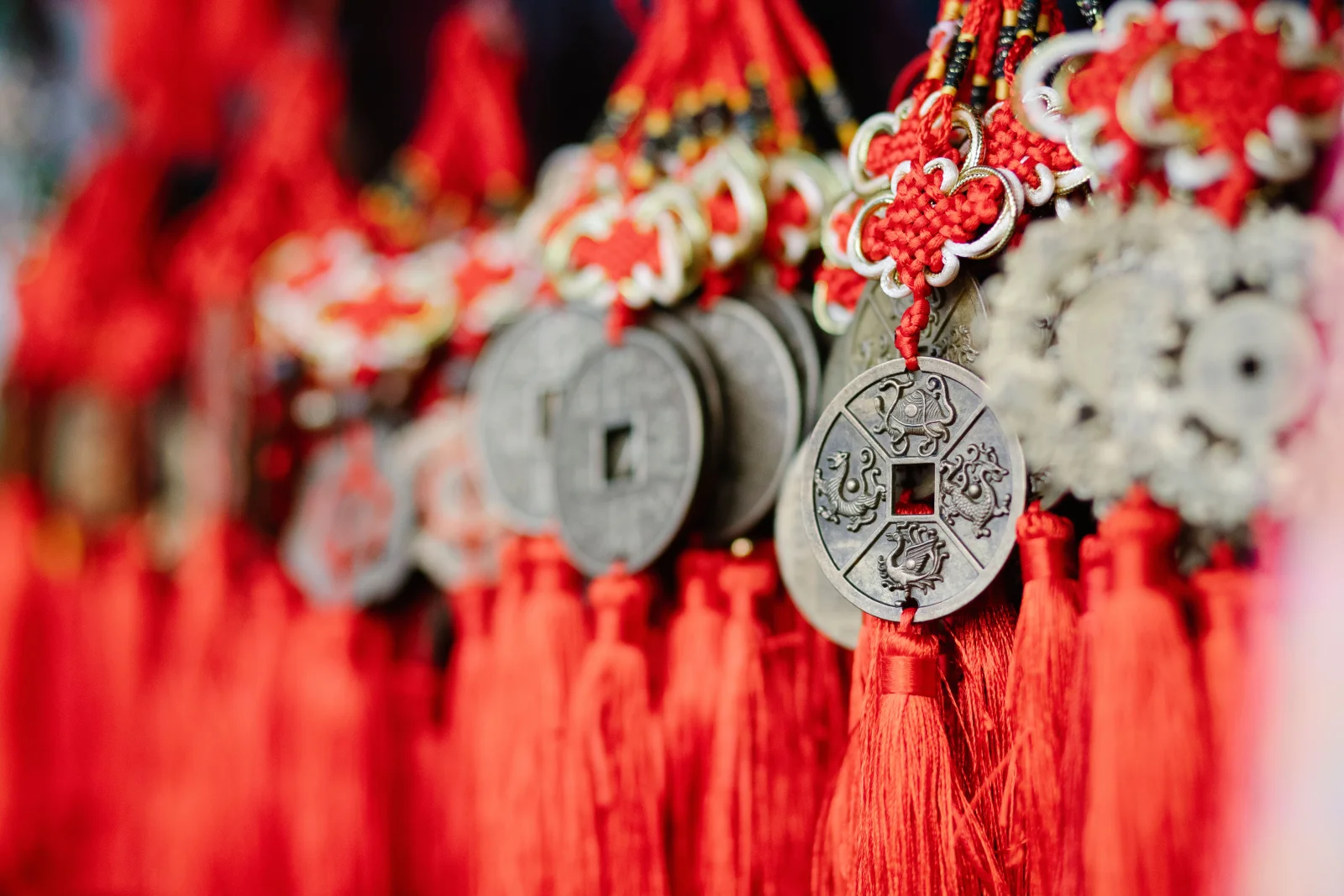
The 5th lunar month is, in Chinese tradition, a month of excess and danger: heat, insects, disease. Duanwu responds to this imbalance with gestures of protection. Red silk tassels hung at doors. Mugwort and calamus leaves. And the Ba Gua — placed on lintels, worn close to the body.
The Ba Gua: eight trigrams, one figure
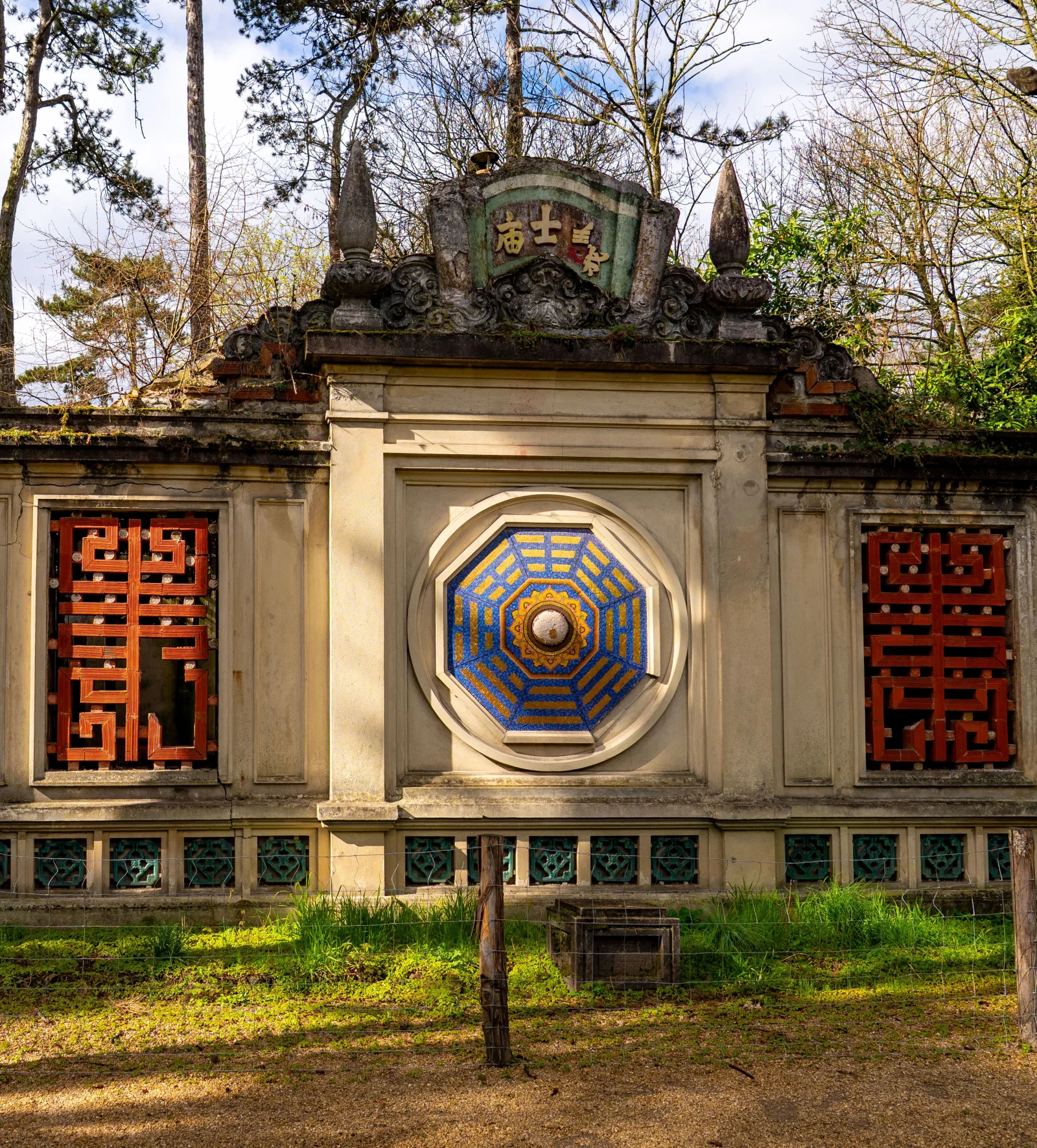
The Ba Gua is a geometric figure from the I Ching, the Classic of Changes. It comprises eight trigrams — eight combinations of solid (yang) and broken (yin) lines — encoding the eight fundamental forces of Taoist cosmology: heaven, earth, thunder, wind, water, fire, mountain, lake.
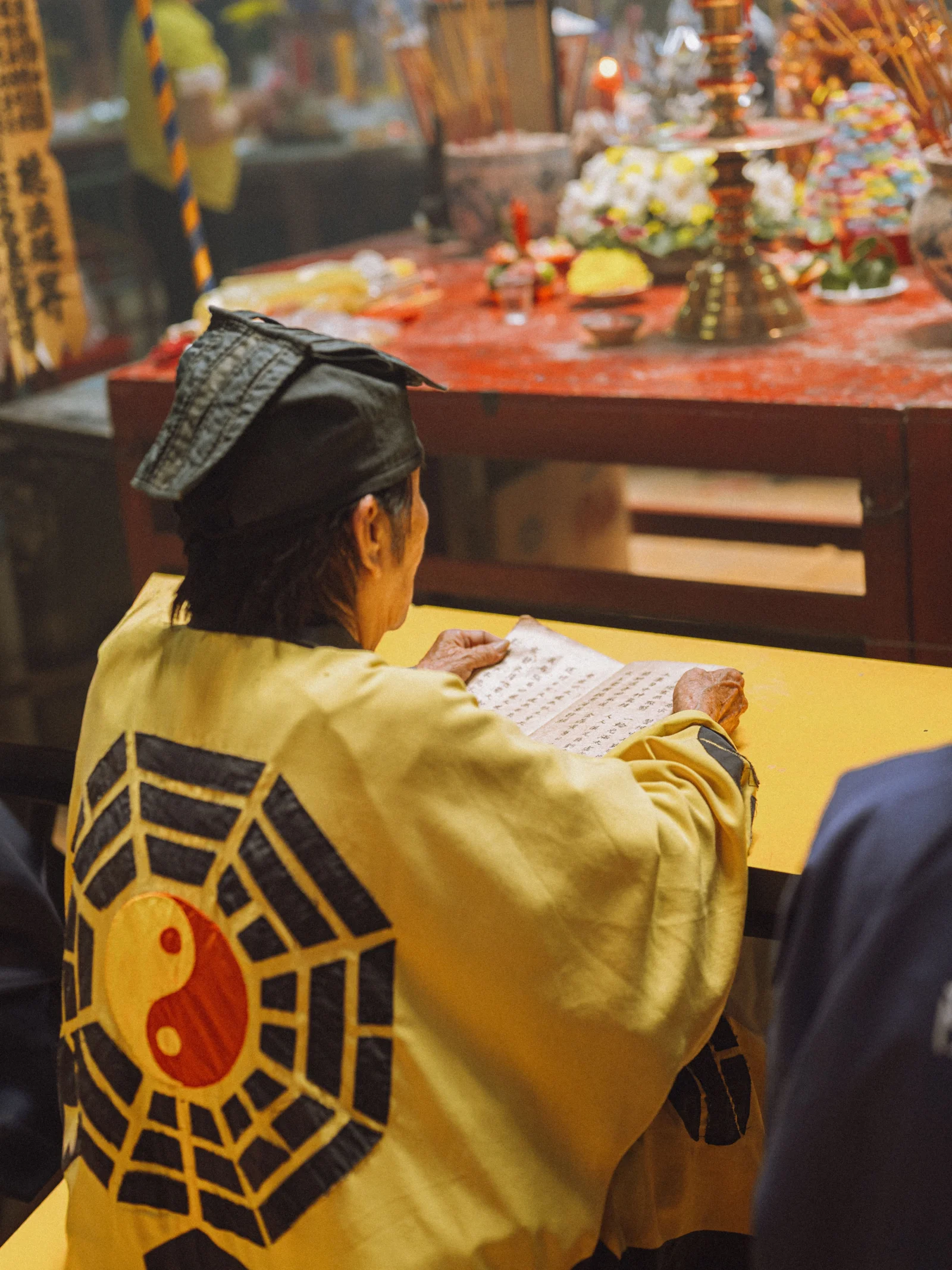
In Taoist tradition, the Ba Gua defines and orders space. It is placed at the entrance of temples, homes, and places of practice. Its presence marks that what lies within is protected and aligned. During Duanwu — the month of imbalance — this function is invoked with particular intention.
How the Ba Gua is worn today
The pendant form of the Ba Gua is cast in sterling silver S925. The eight trigrams appear in relief on the disc. At the center, the Taoist yin-yang symbol. The piece is worn on a fine chain.
It is not exclusive to Duanwu. But on this day, it carries additional meaning: that of crossing the 5th month with what orders rather than what disrupts.
What is the Ba Gua in Buddhism and Taoism?
The Ba Gua belongs to Taoist cosmology. It also appears in feng shui practice and in some forms of Chinese Buddhism, where it is used as a tool for reading and harmonizing environments. The eight trigrams represent the eight directions and eight qualities of energy.
Why wear a Ba Gua pendant during the Dragon Boat Festival?
The 5th lunar month is traditionally associated with the five poisons (snake, toad, scorpion, centipede, gecko) and the imbalances of the hot season. The Ba Gua, as a figure that orders the forces, is worn as protection during this period. The practice has several centuries of recorded history.
Ba Gua pendant in sterling silver S925 — €129.88
Version française : Lire en français
In our shop
-

-
-
-
Traditional Blessed Feng Shui Pendant – Red
Price range: €53.68 through €59.68Secure Yours This product has multiple variants. The options may be chosen on the product page