Pixiu Meaning: How to Wear and Care for a Pixiu Bracelet or Pendant
Pixiu is one of the most recognizable figures in Chinese mythology and feng shui practice, but also one of the most misunderstood outside China: the wrong placement, the wrong hand, or skipping a proper “awakening” ritual are common reasons people feel a pixiu piece “isn’t working.” This guide covers the mythology, the traditional rules for wearing and placing one, and how to choose between the common material and format options.
What Is a Pixiu?
Pixiu (貔貅) is a celestial hybrid creature from Chinese mythology, typically depicted with a dragon’s head, a lion or horse-like body, wings, and a single horn (or occasionally two, distinguishing male and female forms in some traditions). According to legend, pixiu offended the Jade Emperor and was punished by having its anus sealed shut, meaning it can consume wealth and treasure but never expel it. That single detail is the whole basis of its symbolism: pixiu accumulates and holds wealth without ever releasing it, which is why it’s used almost exclusively as a symbol of prosperity, protection, and wealth accumulation rather than general good luck.
How to Wear a Pixiu Bracelet Correctly
Traditional feng shui guidance is specific about how a pixiu piece should be worn, since the details are believed to affect whether it “works”:
- Which wrist: the left hand for men and women alike, in most traditions, since the left side is associated with receiving energy (wealth flowing in) rather than the right side, associated with giving it out.
- Orientation: the pixiu’s head should face outward, away from the body, toward the world, since it “collects” wealth from its surroundings and brings it back toward the wearer.
- Avoid touching the head: in many traditions, others (and even the wearer, casually) shouldn’t touch the pixiu’s head, out of respect for its role as a guardian figure.
- Don’t wear it to bed or in water: a pixiu bracelet is traditionally removed before sleeping, bathing, or swimming, both as a mark of respect and to protect the piece itself.
Materials and What They’re Believed to Add
Black Obsidian
A protective stone in its own right, black obsidian is one of the most common pairings for pixiu pieces, layering a grounding, protective quality on top of the pixiu’s wealth symbolism.
Tiger’s Eye
Associated with confidence, courage, and clear decision-making, tiger’s eye is a common choice for pixiu pieces intended to support career or business decisions rather than passive wealth accumulation alone.
Sterling Silver and Sandalwood
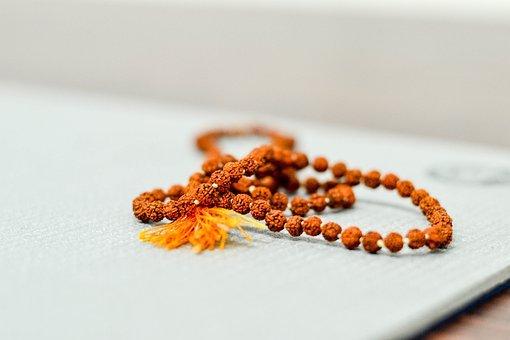
Higher-end pixiu pendants are often cast in solid silver (S925), valued for durability and a more formal presentation, while sandalwood-beaded mala bracelets pair the pixiu charm with the calming, grounding association sandalwood carries independently.
Bracelet or Pendant?
A pixiu mala bracelet, worn daily on the left wrist, is the traditional choice for ongoing personal wealth and protection, worn close to the body throughout the day. A pixiu pendant, whether in silver or set in stone, is more commonly chosen as a statement piece or gift, and can be worn or displayed depending on preference, though the same orientation guidance (head facing outward) still applies if worn.
Caring for Your Pixiu
Remove the piece before sleeping, bathing, showering, or swimming, both to protect the material (particularly natural stone beads on an elastic cord) and in keeping with tradition. Wipe stone beads with a soft, dry cloth; avoid harsh soaps or prolonged water exposure, which can dull natural stone over time. Store the piece separately when not worn, rather than tangled with other jewelry, since the beads and cord are more delicate than they look.
In Our Shop
- Pixiu Mala Bracelet, Sandalwood & Pure Silver 990
- Handcrafted Tiger’s Eye Mala Bracelet with Pixiu
- Black Obsidian Pixiu Feng Shui Pendant
- Pixiu Feng Shui Pendant, Solid Silver S925
- Golden Obsidian & Tiger’s Eye Pixiu Mala
Frequently Asked Questions
Which wrist should a pixiu bracelet be worn on?
The left wrist, in most feng shui traditions, since the left side is associated with receiving rather than giving out energy.
Why shouldn’t I touch a pixiu’s head?
Traditional etiquette treats the pixiu as a guardian figure deserving respect; touching its head, especially by someone other than the wearer, is generally avoided.
Can I wear a pixiu bracelet in the shower or while swimming?
It’s traditionally removed before bathing, showering, or swimming, both out of respect for tradition and to protect the natural materials from water damage.