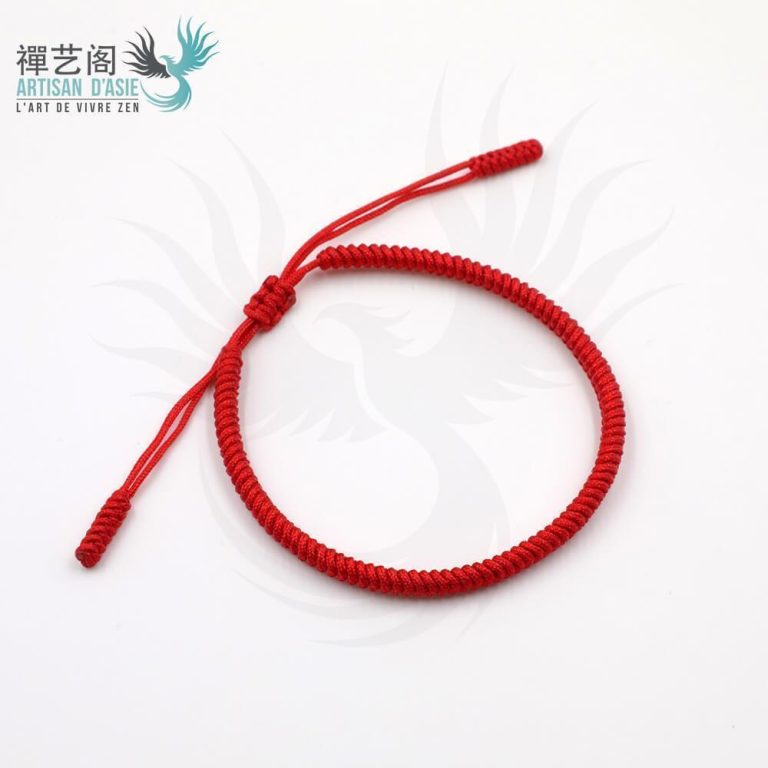
How to choose a Buddhist protection bracelet or Taoist amulet
Buddhist protection bracelets are the most familiar objects in this category. But the tradition of protection through objects extends further. In Chinese Taoist culture, it is the Ba Gua — the Eight Trigrams — that has served this function for several millennia. This guide covers both traditions: how to choose a Buddhist protection bracelet or mala, and how the Ba Gua pendant works as a Taoist amulet.
The Buddhist protection bracelet
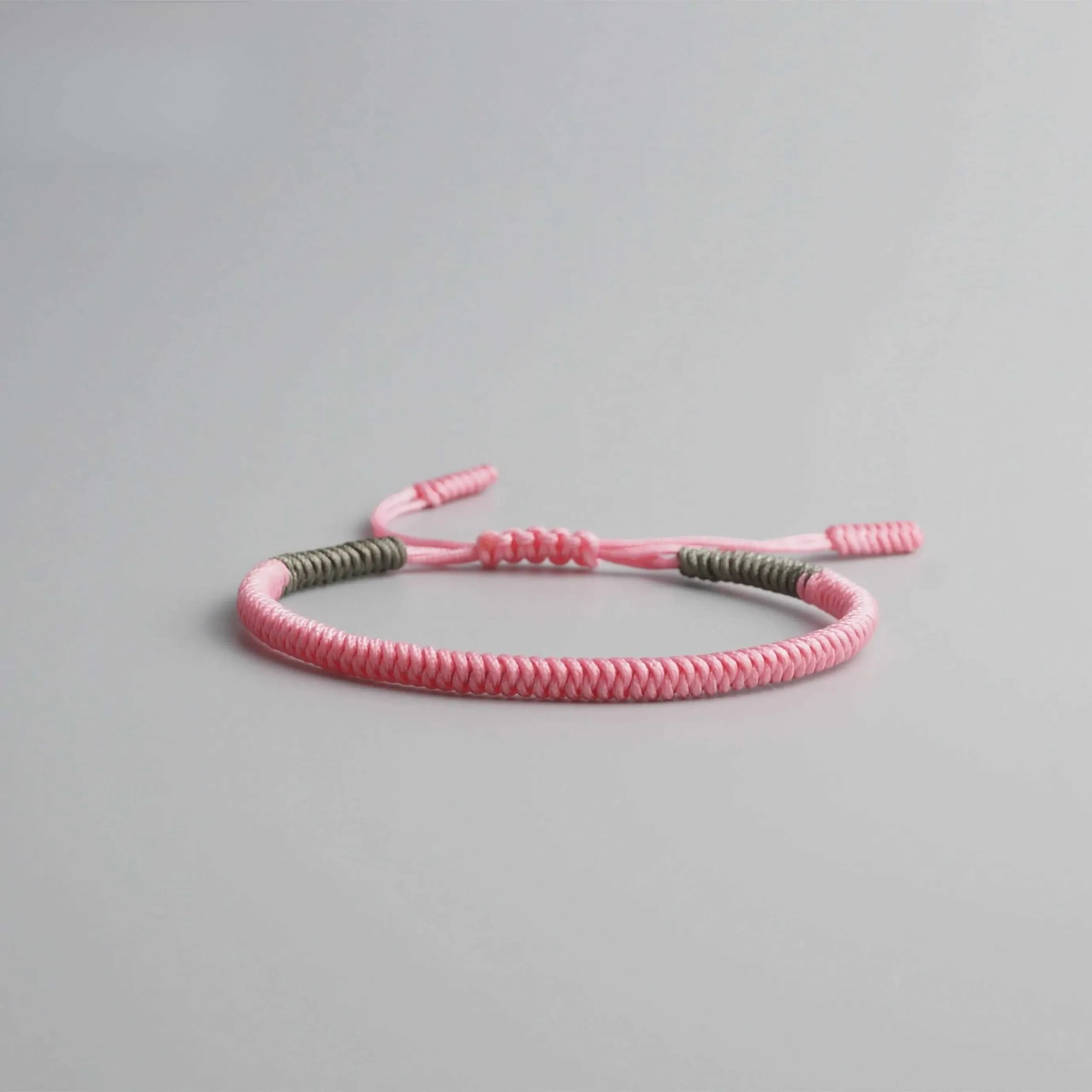
The Buddhist protection bracelet is used for meditation and for counting mantras during recitation. It is not simply decorative. The bracelet functions as a physical anchor — a tactile reference point during practice. Most malas have 108 beads, a number with specific significance in Buddhist cosmology. Shorter bracelets use divisions of 108.
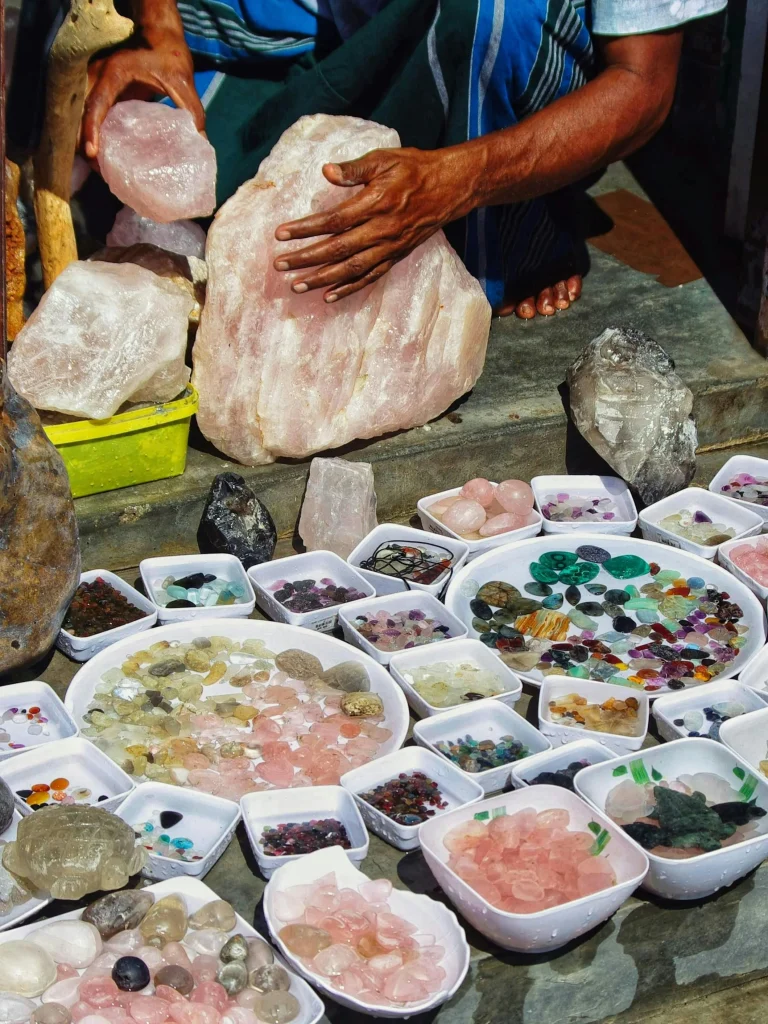
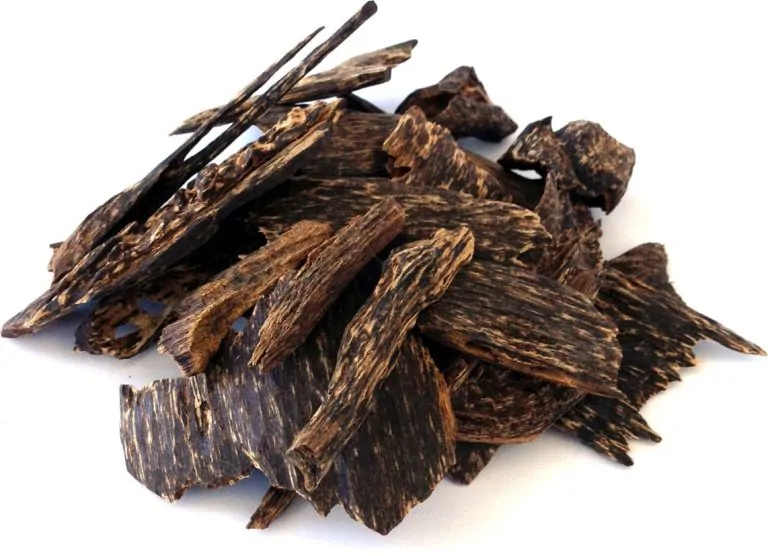
Several materials are used. Obsidian has been carried as a protective stone across cultures for centuries. Tiger’s eye is associated with clarity and grounding. Wooden malas, particularly those made from sandalwood, are common in Tibetan and yogic practice — the wood absorbs skin contact and develops its own character over time.
The choice of material is often intuitive. There is no wrong answer here. What matters is sustained use: a bracelet worn daily becomes an object with accumulated meaning, distinct from one kept in a drawer.
How to wear a protection bracelet
Traditionally, the bracelet is worn on the right wrist for protective purposes. The right side is considered the active side in both Hindu and Buddhist practice — the side that gives and projects energy outward. The left side receives. Wear it where it feels stable and present on your wrist.
Avoid letting the beads touch the floor. If they do, clean them before wearing again. Do not let others handle the bracelet unnecessarily — the beads absorb contact, and that contact accumulates.
Ba Gua amulets — the Taoist protection tradition
The Ba Gua originates in the Yi Jing, the Book of Changes. Eight trigrams, each made of three solid or broken lines, represent the eight fundamental forces of the observable world: heaven, earth, water, fire, wind, thunder, mountain, lake. Arranged in an octagon around the Tao symbol, they form a complete symbolic map of all possible states and transitions.
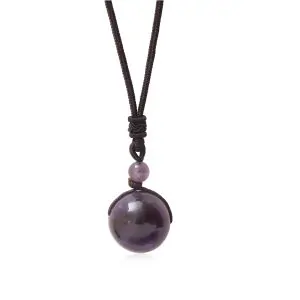
The Ba Gua amulet is worn as a pendant, against the skin. Its function is to create a symbolic boundary between the wearer’s interior space and what is external to it. The octagon contains what has no fixed form. This is the logic underlying all amulets in this tradition.
The Duanwu festival — the 5th day of the 5th lunar month, near the summer solstice — has been the traditional time to distribute protective objects for centuries. This date marks a seasonal transition considered, in the Chinese calendar, as favorable to negative influences. Families hung wormwood branches, placed Ba Gua at entrances, wore jade or silver amulets. The form of the ritual has changed over the centuries. The logic of protection through objects has not.
In our collection
Buddhist protection bracelets and Taoist amulets, handmade:
Cet article est aussi disponible en français : Comment choisir un bracelet de protection ou une amulette bouddhiste et taoïste